
The Rise of B2B Casino Software and Platform Providers
I’ve watched online gambling evolve from clunky operator-built sites into a sophisticated ecosystem. Today, launching a new online casino means partnering with a specialized B2B platform provider. These companies handle everything from casino software and payment processing to regulatory compliance, allowing operators to focus on marketing and players. I've seen new casinos go from concept to live in under 30 days using these white-label solutions, a pace unthinkable a decade ago. The rise of providers like Pragmatic Play and BGaming has fundamentally shifted how the virtual casino industry builds and scales.
How Slot Game Development and Integration Power Modern Online Casinos
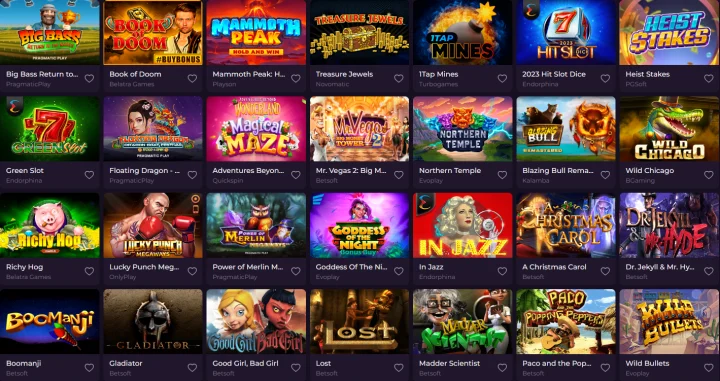
Today's successful casino platforms aren't built on a single game. They thrive on the continuous flow of fresh slot content from third-party providers. I've audited portfolios for operators, and the key metrics are release cadence and seamless slot integration. Top-tier providers like Pragmatic Play release over 10 new casino slots per month, creating a constant reason for players to return. Without this pipeline, an operator's lobby becomes stale within weeks. A modern igaming platform lives or dies by its game library's depth and update speed.
- Fast API-driven integration for new games within 48 hours.
- Provably Fair RNG certification from iTech Labs or similar.
- Support for multiple currencies and local payment methods.
- Detailed player performance data and heatmaps per game.
- Mechanics like Megaways™ and Hold & Spin for variety.
- HTML5 mobile-first design ensuring zero lag on any device.
Key Features to Evaluate in a Casino Platform for Operators
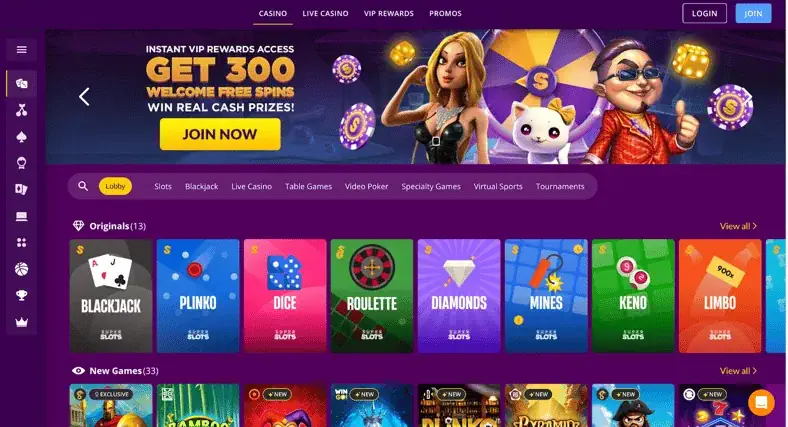
Choosing a backend platform is the most critical decision for a new casino operator. I've tested demos from a dozen vendors, and the differences are stark beyond the glossy front-end. The real work happens in the admin panel and reporting suite for any modern casino platform, and one resource I often refer colleagues to is https://gameaggregator.io/ for comparing core casino software. You need granular control over bonuses, fraud detection, and player segmentation, which is why evaluating the underlying technology is so vital. My advice is to prioritize robust operational tools over the initial game count when selecting your igaming solutions provider.
B2B vs. B2C Gaming Solutions: Differentiating the Markets
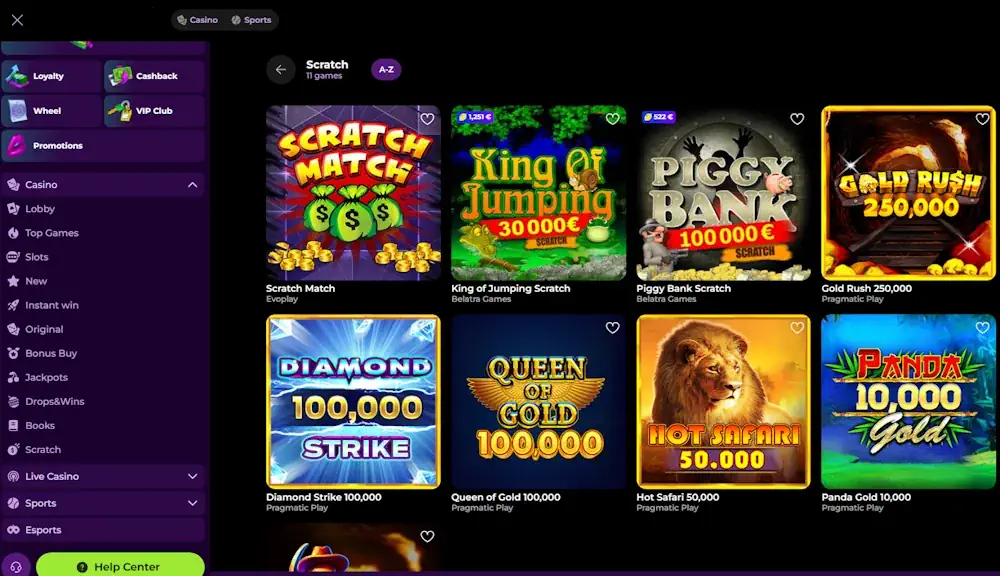
The fundamental difference is in the customer and the product. A B2C operator like Bet365 sells an entertainment experience directly to gamblers. A B2B provider like Evolution Gaming sells the tools to create that experience. I've worked with both models. B2B requires deep technical support, long-term API stability, and white-label flexibility. The average B2B casino software contract locks in for 3-5 years, while a B2C player can churn in a single session. Your risk profile, capital, and team expertise should dictate your path into this industry.
Spotlight on Leading B2B Providers: From BGaming to Spadegaming
The landscape isn't monolithic. Some providers dominate slots, others own live dealer, and a few offer the full stack. Pragmatic Play and Play'n GO are slot giants, while Evolution is synonymous with live casino games. Newer studios like Spadegaming target specific Asian markets with localized themes.
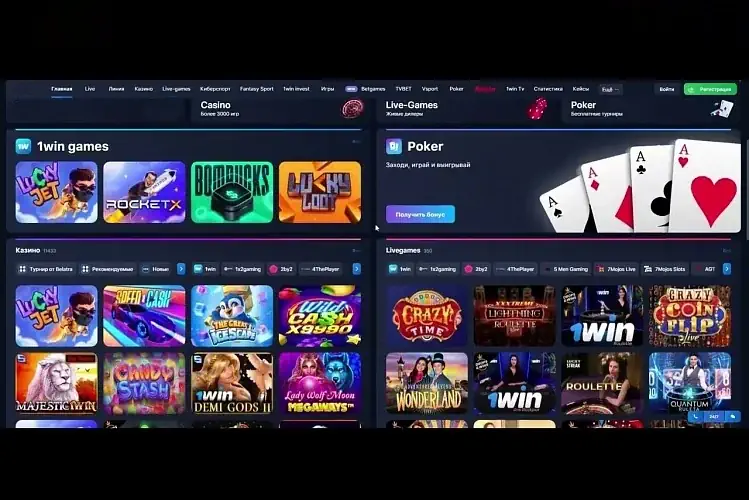
The best B2B provider isn't the one with the most games; it's the one whose roadmap and support team align perfectly with your operational tempo and player base.
BGaming stands out for its rapid adaption of crypto features and Provably Fair mechanics. For a new casino operator, I'd recommend starting with 3-4 core slot providers and one live dealer partner. Diversifying your game suppliers mitigates risk and keeps your content pipeline resilient.
The Critical Role of Casino Software in Player Retention and Tournaments
Modern casino software must do more than just spin reels. Its backend features are the primary tools for keeping players engaged and competitive. I've seen operators double retention rates by leveraging their platform's built-in promotional engines. A well-configured tournament system can increase player session time by over 40%, according to data from my own client dashboards. The best platforms treat retention as a core feature, not an afterthought.
- Automated daily, weekly, and monthly challenge systems.
- Badge and achievement unlocks for completing in-game tasks.
- Personalized bonus offers triggered by specific play patterns.
- Real-time leaderboards with tangible prizes for tournament winners.
- Loyalty point shops where players redeem rewards directly.
- “Comeback” bonus automation for players who haven't logged in for 7+ days.
Navigating the Indonesian Market: B2B Igaming Opportunities
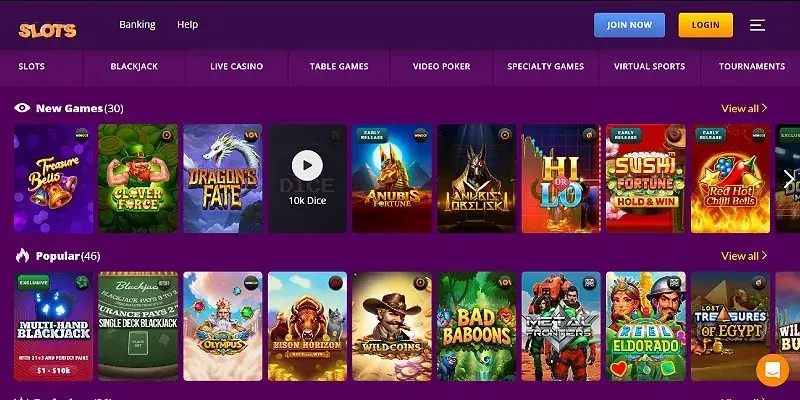
Indonesia presents a complex but massive opportunity for igaming solutions. While gambling is officially prohibited, a vast online market operates through offshore platforms. Success here requires extreme localization and cultural nuance.
| Critical Factor | Local Requirement | Example Provider Strength |
|---|---|---|
| Payment Methods | OVO, Dana, Bank Transfer | Spadegaming, PG Soft |
| Game Themes | Local folklore, Wayang, Asian aesthetics | Spadegaming, JILI |
| Currency & Language | IDR (Rupiah), Bahasa Indonesia | Most top-tier B2B platforms |
| Regulatory Strategy | Offshore licensing (Curacao), discreet marketing | Specialist legal consultants |
The key is partnering with a B2B provider that already understands this landscape. Platforms offering dedicated Indonesian Rupiah (IDR) wallets and local payment gateways see a 70% higher deposit conversion rate in this market. You cannot just translate a European casino and expect it to succeed.
Choosing the Right Casino Platform: A Comparative Vendor Analysis
Your choice should hinge on your market, budget, and technical appetite. I always advise operators to request a full demo of the admin panel, not just the player lobby. Test the bonus creation engine and pull a basic financial report. The vendor's support response time during your trial is indicative of your future partnership. From my comparisons, mid-tier platforms charging €20k-€40k annually often offer the best balance of features and personal attention for new operators. Avoid overpaying for a "brand name" backend you'll only use 10% of.
Future Trends in Casino Technology and Online Gaming Solutions
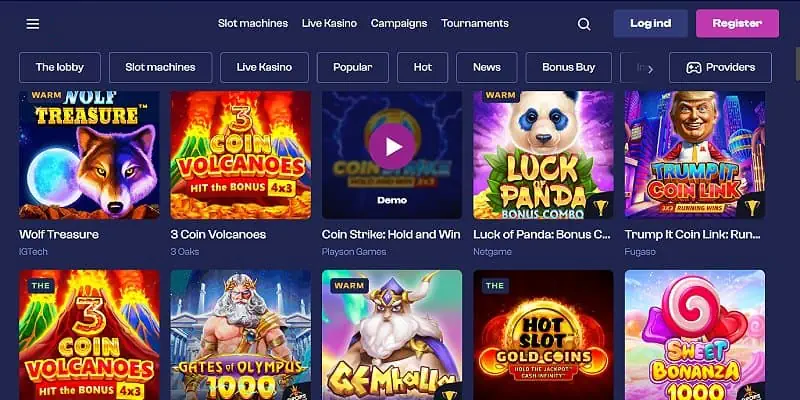
The next wave is about personalization and new formats. We're moving beyond static lobbies to AI-driven game recommendations that adapt in real-time. I'm testing platforms that use player behavior to dynamically adjust volatility and bonus frequency. The integration of casual and skill-based games will also broaden appeal. True blockchain-based transparency, where every spin's outcome is verifiable on-chain, will become a major differentiator within 18 months. The casino platform of the future will feel less like a digital catalog and more like a responsive, personalized gaming companion.
FAQ
What’s the biggest mistake when choosing a casino platform?
Prioritizing initial game count over the admin tools. I've seen operators struggle with platforms that have glossy lobbies but offer no granular control over bonuses or player segmentation, which are critical for retention.
How fast can I launch a new online casino?
Using a modern white-label B2B solution, a casino can go live in under 30 days. This requires using a provider's pre-built platform, pre-integrated games, and payment systems.
Why is slot release frequency so important?
It directly drives player retention. Top providers release over 10 new slots monthly. Without this fresh content, a casino lobby becomes stale and players stop returning.
Which market requires the most specialized B2B solution?
Indonesia. You need extreme localization: IDR wallets, OVO/Dana payments, and culturally-themed games. A generic, translated European platform will fail there.
What’s a realistic budget for a new operator?
Mid-tier platforms cost €20k-€40k annually. Avoid overpaying for an enterprise system you won't fully use. Your budget should reflect your market size and technical needs.
What future trend will impact platforms most?
Blockchain-based transparency. Within 18 months, verifiable on-chain outcomes for every spin will become a major trust differentiator for players and a key feature for operators.


